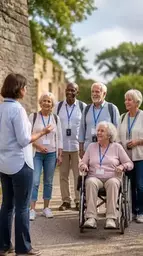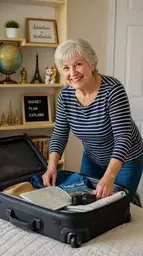

Traveling internationally can be one of the most rewarding experiences for seniors, but it requires careful planning to ensure safety. Understanding the essential tips and precautions will help you embark on your adventures with confidence and peace of mind.
What You Will Learn
- The importance of awareness of risks to prepare adequately for your destination.
- Essential health precautions, including consulting your doctor before traveling.
- How to create a personalized emergency plan tailored to your needs.
- Technology tools that can enhance your travel safety and keep you connected.
Key Aspects of Senior Travel Safety
Ensuring senior travel safety involves proactive planning across health, emergency preparedness, and informed travel. The following outlines crucial steps for older adults embarking on international adventures. For more detailed advice, consider exploring these travel tips for senior vacations.
Health Precautions
Prioritize well-being with pre-trip doctor visits, understanding physical limits, and packing a comprehensive health kit including medications and first aid.
- Consult Doctor & Know Limitations
- Pack Health Kit & Medications
- Check Vaccination Requirements
Emergency Planning
Develop a robust emergency plan, identify local services, share itineraries, and leverage technology for communication and assistance.
- Local Emergency Contacts & Embassy
- Share Itinerary & Caregiver Support
- Utilize Safety Apps & Digital Tools
Staying Informed
Stay updated on local conditions, subscribe to travel alerts, and be aware of cultural customs to navigate destinations confidently.
- Research Destination Customs & Advisories
- Subscribe to Travel Alerts
- Check Local News & Accommodation Updates
Understanding Travel Safety for Older Adults on International Trips
Traveling as a senior can be one of the most enriching experiences in life, filled with adventure and discovery! However, it’s essential to prioritize travel safety, ensuring that every journey is not just enjoyable, but also secure. With the right planning and precautions, older adults can explore the world with confidence, knowing they have taken the necessary steps to stay safe.
At Seniors Travel Adventure Guide, we understand the unique challenges that seniors face while traveling internationally. That's why we've compiled a comprehensive guide to help you navigate travel safely and effectively, allowing you to focus on making memories rather than worrying about potential risks.
The Importance of Safety Planning for Senior Travelers
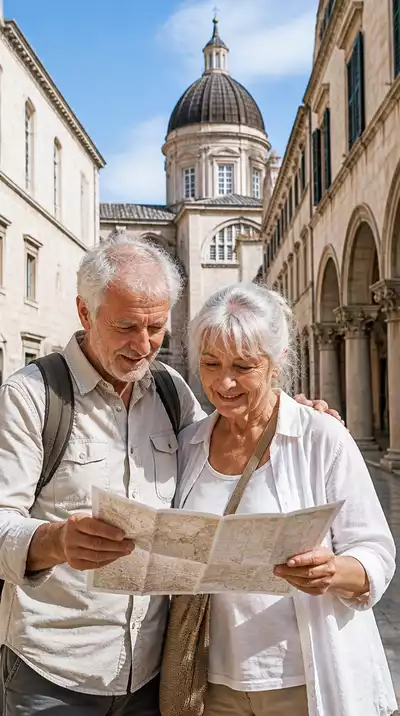
Planning for safety is a crucial aspect of travel, especially for older adults. Taking the time to prepare ensures you have everything you need to handle unexpected situations. Here are some key reasons why safety planning is vital:
- Awareness of Risks: Being informed about potential hazards in your destination helps you prepare adequately.
- Access to Resources: Knowing where to find medical help or emergency services can provide peace of mind.
- Personal Comfort: A well-thought-out plan reduces anxiety, enabling you to enjoy your trip fully.
When you have a solid safety plan in place, you empower yourself to take on any adventure with a greater sense of ease and excitement!
Overview of Essential Travel Safety Tips
With the excitement of international travel comes the responsibility of staying safe. Here are some essential tips that every senior traveler should keep in mind:
- Stay Informed: Research your destination's local health services, customs, and any travel advisories.
- Plan Your Itinerary: Share your travel plans with family or friends, detailing where you will be and how to reach you. For those considering traveling alone, these solo senior travel tips can provide additional guidance.
- Pack Wisely: Bring necessary medications, emergency contacts, and any health-related items that may be needed.
- Stay Connected: Ensure your mobile device is functional and consider using apps that provide location and emergency information.
By following these guidelines, you'll be well on your way to enjoying your travels without unnecessary stress!
Health Precautions: Key Considerations for Seniors Abroad
Your health should always be a top priority while traveling. It's essential to consider various factors that may affect your well-being during your adventure abroad. Here are some health precautions every senior should take:
- Consult Your Doctor: Schedule a visit to discuss your health status prior to your trip.
- Know Your Limitations: Be honest about your physical abilities and plan accordingly.
- Pack a Health Kit: Include medications, first aid supplies, and any necessary medical equipment.
These health considerations can help you maintain your well-being, ensuring that you can focus on enjoying your trip.
Vaccination Requirements: What Seniors Need to Know
Before traveling internationally, it's crucial to check the vaccination requirements for your destination. Some countries may have specific health regulations in place, particularly in light of recent global health concerns. Make sure you are up-to-date on any recommended vaccines, as this can protect your health and minimize risks.
It's also a good idea to carry a copy of your vaccination records while traveling. This can be useful if you need to show proof of immunization during your trip!
Medication Management: Tips for Staying Healthy on the Go
Managing your medications while traveling is essential. Here are some tips to ensure you remain healthy:
- Bring Enough Supply: Always pack more than you think you'll need to accommodate unforeseen delays.
- Keep Medications Accessible: Store your medications in your carry-on to avoid losing them with checked luggage.
- Know Your Medications: Be familiar with the generic names and dosages in case you need to refill them abroad.
By being proactive about your medication management, you can ensure a smoother and healthier travel experience!
Interactive Poll: Your Thoughts on Travel Safety
As we navigate the complexities of travel safety for seniors, we want to hear from you! What do you think is the most important aspect of travel safety for older adults? Share your thoughts below:
Emergency Planning: Being Prepared for the Unexpected
When traveling, especially internationally, having a solid emergency plan is crucial for older adults. Unexpected situations can arise, and being prepared can make all the difference in ensuring a safe and enjoyable experience. I always emphasize to my readers at Seniors Travel Adventure Guide that planning ahead can alleviate anxiety and provide peace of mind. Let’s dive into what you need to consider when creating an emergency plan.
Creating an Emergency Plan for International Trips
Your emergency plan should be tailored to your unique needs and the nature of your trip. Here’s a simple checklist to help you get started:
- **Identify local emergency numbers**: Know how to contact local authorities, hospitals, and your country's embassy or consulate.
- **Share your itinerary**: Provide family or friends with a copy of your travel plans, including your accommodations and emergency contacts. This is particularly important for those joining travel groups for seniors.
- **Emergency contacts list**: Create a list of contacts at home and abroad, ensuring they are easily accessible.
Involving a caregiver can be incredibly beneficial, especially for seniors who may need extra assistance. Coordinating support allows you to enjoy your travels while having a safety net in place.
How to Coordinate Caregiver Support During Travel
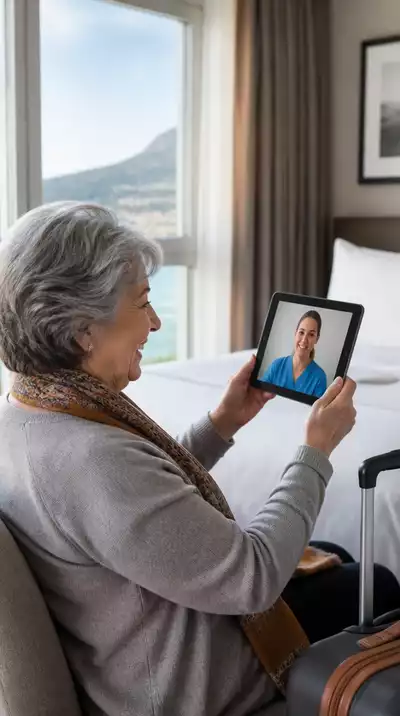
Communicating your travel plans with a caregiver is essential. This includes discussing travel dates, your itinerary, and any specific health needs you may have. Here are some tips to effectively coordinate caregiver support:
- **Schedule regular check-ins**: Set up times for your caregiver to reach out or vice versa during your trip.
- **Share your health and emergency information**: Ensure your caregiver is aware of your medical conditions, medications, and emergency protocols.
- **Create a backup plan**: Discuss alternative support options should an unexpected situation arise.
By working closely with caregivers, seniors can foster a sense of security during their travels.
Using Technology for Safety: Apps and Digital Tools
Technology can be a powerful ally in enhancing travel safety. There are several apps that seniors should consider downloading before their trip:
- **Emergency assistance apps**: These can help you quickly access local emergency services.
- **Travel planning apps**: Useful for managing itineraries and keeping track of important information. For more insights on leveraging digital resources for travel, visit blog.example.com/digital-travel-resources-for-seniors.
- **Health monitoring apps**: Some apps allow you to track medications and health metrics while traveling.
Staying connected through technology can significantly reduce feelings of isolation and provide quick access to help if needed.
Local Emergency Services: Understanding What’s Available
Before you embark on your adventure, it’s vital to familiarize yourself with the local emergency services of your destination. This can vary greatly depending on where you're traveling. Here’s what to look for:
- **Local hospitals and clinics**: Know their locations, contact information, and the services they provide.
- **Police and fire department contact numbers**: Have these handy for quick access in case of emergencies.
- **Embassy or consulate contact information**: Your country’s diplomatic presence can assist in emergencies.
Having this information at your fingertips will help you feel more secure and prepared for any unexpected situations.
Travel Alerts: Staying Updated on Local Conditions
It's also essential to stay informed about local conditions during your travels. Here are some strategies to keep in mind:
- **Subscribe to travel alerts**: Many governments offer travel advisories that provide crucial information about safety and health risks.
- **Check local news sources**: This can help you understand any current events or issues that may affect your trip.
- **Stay connected with your accommodation**: They often have the latest updates on local conditions and can provide guidance as needed.
By keeping informed, you can navigate your travels more confidently and react swiftly if circumstances change. For detailed guides on specific destinations, refer to resources.example.com/destination-guides-seniors.
Recap of Key Points
Here is a quick recap of the important points discussed in the article:
- Prioritize Safety: Planning for safety is essential for older adults traveling internationally.
- Stay Informed: Research your destination’s health services, customs, and travel advisories.
- Health Precautions: Consult your doctor and carry a health kit with necessary medications.
- Create an Emergency Plan: Identify local emergency numbers and share your travel itinerary with family or friends.
- Use Technology Wisely: Download emergency assistance and travel planning apps to stay connected and informed.
Frequently Asked Questions About Senior Travel Safety
- Q: Why is safety planning crucial for senior international travelers?
- A: Safety planning is vital for seniors traveling internationally because it helps them become aware of potential risks, access necessary resources like medical help or emergency services, and reduces anxiety, allowing for a more enjoyable trip.
- Q: What health precautions should seniors take before an international trip?
- A: Seniors should consult their doctor before traveling, be aware of their physical limitations, pack a comprehensive health kit including all necessary medications and first aid supplies, and check vaccination requirements for their destination.
- Q: How can seniors manage their medications effectively while traveling?
- A: To manage medications effectively, seniors should pack more supply than needed, keep medications in their carry-on luggage, and be familiar with the generic names and dosages for potential refills abroad.
- Q: What should an emergency plan for international trips include?
- A: An emergency plan should include local emergency numbers, contact information for local hospitals and embassies, a shared itinerary with family or friends, and a list of emergency contacts both at home and abroad.
- Q: How can technology enhance travel safety for older adults?
- A: Technology can enhance travel safety through emergency assistance apps for quick access to local services, travel planning apps to manage itineraries, and health monitoring apps to track medications and health metrics, helping seniors stay connected and informed.