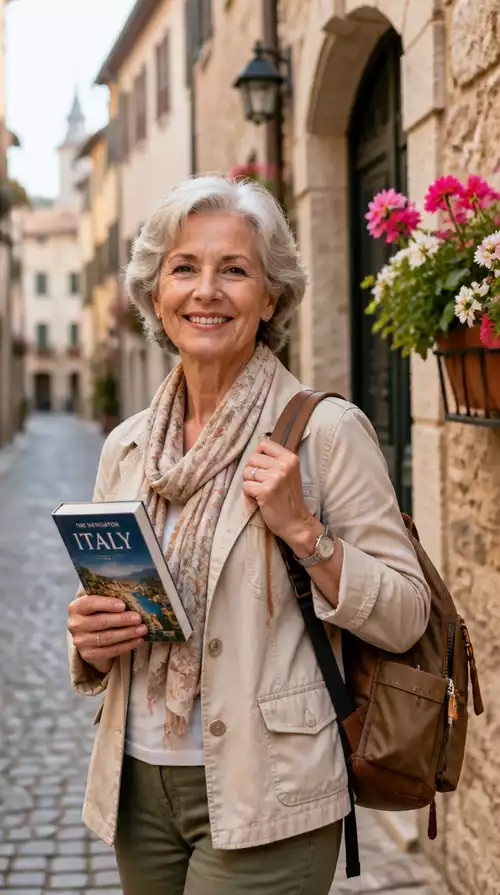
As you embark on your journey to explore the world, consider the essential safety practices that can make your experience both enjoyable and secure. Here’s what you will learn about traveling solo as a senior, ensuring your adventures are filled with joy and peace of mind.
What You Will Learn
- Always share your itinerary with a trusted friend or family member.
- Trust your instincts; avoid wandering into isolated areas.
- Arrive at your destination during daylight hours for easier navigation.
- Keep copies of important documents and use money belts for valuables.
- Stay informed about local safety alerts by enrolling in programs like STEP.
- Bring essential medical documents and know how to manage your prescriptions abroad.
- Consult your doctor about necessary vaccinations and health precautions before travel.
- Ensure your health insurance covers international needs, especially for emergency care.
Essential Safety & Health Preparations for Senior Solo Travelers
This visual outlines key safety and health considerations, offering a clear comparison of crucial steps for a secure and enjoyable solo journey.
Solo Travel Safety Practices
- ✓ Share Your Itinerary
- ✓ Trust Your Instincts
- ✓ Avoid Isolated Areas
- ✓ Daytime Arrivals
Health & Medical Preparedness
- ✓ Key Medical Documents
- ✓ Prescription Management
- ✓ Essential Vaccinations
- ✓ Health Insurance Abroad
Travel Preparation & Documents
- ✓ Copies of Documents
- ✓ Use Money Belts
- ✓ Enroll in STEP Program
- ✓ Consult Your Doctor
Engagement & Support
- ✓ Share Experiences
- ✓ Explore Senior Travel Associations
- ✓ Utilize Travel Apps for Tracking
- ✓ Comprehensive Packing List
Essential Safety Practices for Seniors Traveling Solo Abroad
Traveling solo can be a thrilling experience, especially for seniors eager to explore new horizons. However, ensuring safety is crucial to enjoying your journey. One of the best ways to stay safe is by sharing your itinerary with family or friends. This way, someone always knows where you are. Trusting your instincts is equally important—if a place feels off to you, it's best to avoid it. Remember to steer clear of isolated areas, especially when traveling alone. For more detailed advice on how to navigate your trips, check out our comprehensive travel safety tips for seniors.
Moreover, keeping your loved ones updated throughout your trip can provide peace of mind for both you and them. Always have a plan in place for emergencies. This preparation helps ensure that your solo travel experience is not only safe but also fulfilling!
Understanding the Basics of Solo Travel Safety
- Share Your Itinerary: Inform someone about your travel plans.
- Trust Your Instincts: If something feels wrong, listen to your gut.
- Avoid Isolated Areas: Stick to well-populated places.
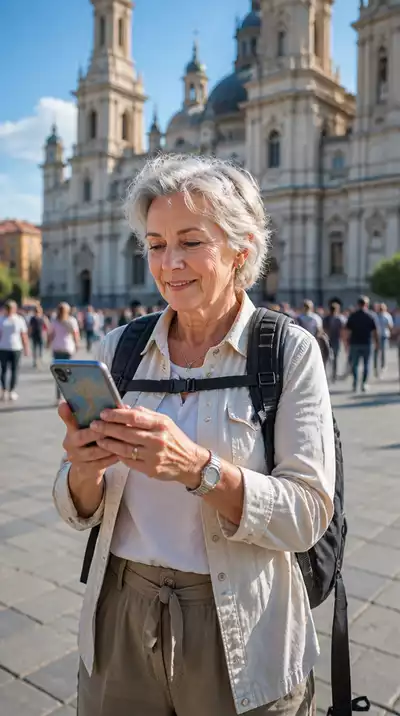
In addition to sharing your itinerary, consider using travel apps that allow friends and family to track your location. This added layer of security can further enhance your peace of mind while you embark on your adventures. As a travel enthusiast, I often remind my fellow seniors to be aware of their surroundings and to travel with confidence! Further insights into planning your solo journey can be found in our solo senior travel tips.
Daytime Arrivals: Why Timing Matters
Arriving at your destination during daylight hours can significantly enhance your safety and ease of navigation. When you travel, it’s easier to familiarize yourself with your surroundings, find transportation, and check into your accommodation when it’s light outside. Plus, it's generally safer!
Daytime arrivals also provide an opportunity to get a feel for the local environment, allowing you to spot potential challenges or safety issues early on. This foresight can help you plan your activities accordingly. If possible, schedule your flights to ensure that you land during the day—your future self will thank you!
Health and Medical Preparedness for Senior Travelers
Key Medical Documents and Prescription Management
When preparing for your travels, it's vital to bring along important medical documents. This includes health insurance cards, a list of your prescriptions, and any necessary medical information. Managing your prescriptions is critical; ensure you have enough medication for your trip and know how to refill them if needed. For more details on managing medications, visit our travel medication tips for seniors.
It's also wise to have a list of local clinics and hospitals at your destination. This way, you can easily access medical assistance if necessary. Being prepared can make all the difference in ensuring a smooth and enjoyable travel experience!
Vaccination and Health Considerations for Senior Travelers
- Essential Vaccinations: Ensure you are up to date on vaccinations relevant to your destination.
- Health Precautions: Consider health risks associated with your travel destination.
- Consult Your Doctor: Have a pre-travel consultation for personalized health advice.
Taking these precautions not only protects your health but also allows you to enjoy your travel experiences to the fullest. Remember, a healthy traveler is a happy traveler. Prioritize your well-being and prepare accordingly, and you'll find that your adventures can be both exciting and safe!
Understanding Health Insurance Coverage Abroad
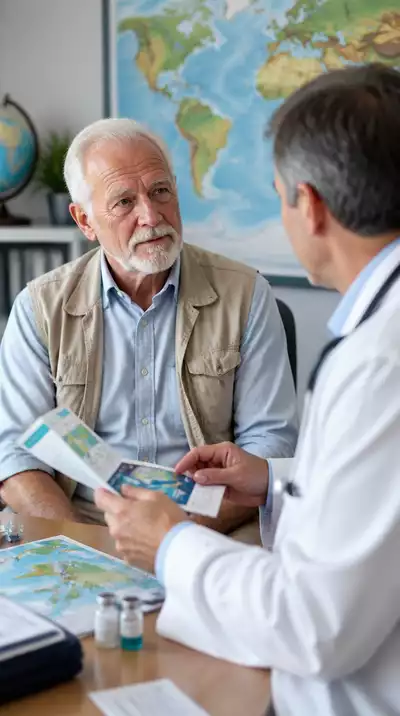
Having the right health insurance while traveling is crucial for seniors. Many standard health plans do not cover treatments abroad, which can lead to unexpected costs. It’s essential to ensure your health insurance covers international needs, including emergency care.
Before you leave, check with your insurance provider about coverage details and consider purchasing travel insurance if needed. This added step can provide you with peace of mind during your travels, allowing you to focus on creating unforgettable memories!
Pro Tip
Did you know? Staying connected while traveling solo can greatly enhance your safety. Consider using a portable phone charger to ensure your devices are always powered up. Additionally, downloading offline maps can help you navigate unfamiliar areas without relying solely on Wi-Fi or mobile data.
Frequently Asked Questions About Senior Solo Travel Safety
Q: Why is sharing my itinerary important when traveling solo as a senior?
A: Sharing your itinerary ensures that a trusted friend or family member always knows your whereabouts, which is crucial for your safety and provides peace of mind for both you and them in case of an emergency.
Q: What should I do if a situation or place feels unsafe?
A: Always trust your instincts. If a place or situation feels off, it's best to avoid it. Stick to well-populated areas and be aware of your surroundings.
Q: Why is it recommended to arrive at my destination during daylight hours?
A: Arriving during daylight hours makes it easier to navigate unfamiliar surroundings, find transportation, and check into your accommodation. It also allows you to get a better feel for the local environment and identify any potential safety concerns earlier.
Q: What medical documents should I bring when traveling internationally?
A: It's vital to bring health insurance cards, a comprehensive list of your prescriptions (including generic names), and any other necessary medical information. Also, have a list of local clinics and hospitals at your destination.
Q: How can I ensure my health insurance covers me abroad?
A: Before your trip, contact your insurance provider to clarify your coverage details for international travel. Many standard health plans do not cover treatments abroad, so consider purchasing additional travel insurance to cover emergency care and other medical needs.
Summarizing Key Safety Tips for Senior Solo Travelers
Traveling solo as a senior can be an exhilarating experience filled with new adventures! However, it's essential to prioritize your safety while exploring the world. Here’s a quick recap of the vital safety tips we've discussed:
- Always share your itinerary with a trusted friend or family member.
- Trust your instincts and avoid wandering into isolated areas.
- Arrive at your destination during daylight hours for easier navigation.
- Keep copies of important documents and use money belts for valuables.
- Enroll in programs like STEP to stay informed about local safety alerts.
By keeping these practices in mind, you can travel more confidently, knowing you’re prepared for whatever may come your way. Remember, safety is not just about avoiding risks—it's also about creating a memorable travel experience.
Encouraging Confident and Informed Travel Decisions
As you gear up for your next adventure, I encourage you to take proactive steps in your travel planning! Whether it’s researching your destination or preparing a comprehensive packing list, being informed can make all the difference. Don’t hesitate to reach out for additional resources that can enhance your journey. The world is waiting for you, and it’s time to embrace it!
Engagement and Sharing Experiences
I’d love to hear about your own travel experiences! What safety tips have you found most useful when traveling solo? Feel free to share your stories in the comments or on social media. Connecting with fellow travelers can offer valuable insights and encouragement, creating a supportive community of adventurers!
Exploring Resources from Senior Travel Associations
There are fantastic resources available through organizations like the Senior Travel Association and AARP Travel. These platforms provide a wealth of information tailored specifically for senior travelers, from safety tips to destination guides. I encourage you to explore these resources to help make your travel planning smoother and more enjoyable! You can also find valuable insights and discussions on various travel topics on our travel forums or learn about new destinations on our destination guides.
Recap of Key Points
Here is a quick recap of the important points discussed in the article:
- Always share your itinerary with a trusted friend or family member.
- Trust your instincts and avoid wandering into isolated areas.
- Arrive at your destination during daylight hours for easier navigation.
- Keep copies of important documents and use money belts for valuables.
- Enroll in programs like STEP to stay informed about local safety alerts.