
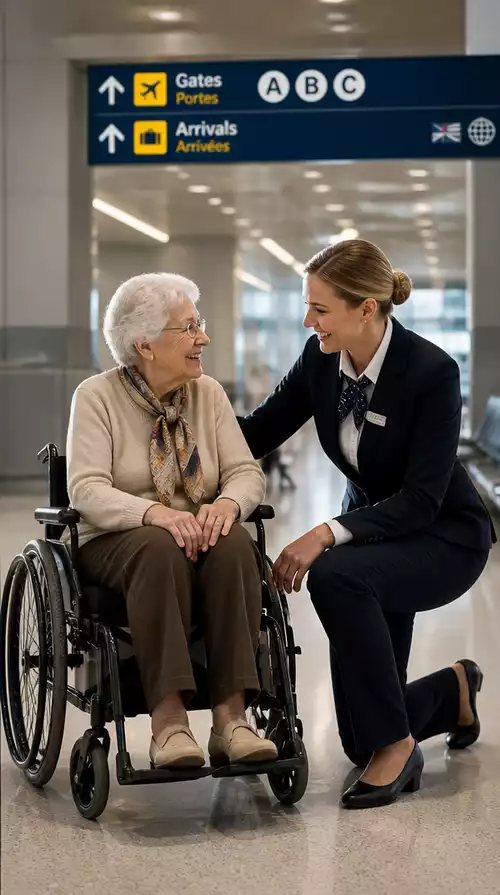
As you prepare for your next journey, consider the unique challenges that come with traveling as a senior with mobility issues. The right knowledge can transform your travel experience from stressful to enjoyable. Here’s how to navigate the complexities of travel with confidence!
What You Will Learn
- Understanding disability travel regulations ensures you know your rights and can advocate for necessary accommodations.
- Pre-booking assistance is crucial; communicate your mobility needs with airlines at least 48 hours in advance for smooth travel.
- Exploring resources from senior travel associations can provide valuable tips and support tailored specifically for older adults.
- Health planning, including organizing medications and understanding medical device policies, is essential for a stress-free journey.
- Travel insurance offers peace of mind, covering unexpected events like medical emergencies or trip cancellations.
- Connecting with travel communities and forums provides insights and experiences shared by fellow senior travelers.
Essential Travel Preparation for Seniors: Key Areas
Planning is crucial for a smooth and enjoyable journey. This visual highlights essential steps for seniors with mobility issues, focusing on rights, booking, and comfort.
1. Disability Travel Regulations
- Airlines must follow ACAA.
- International rules like EC 1107/2006.
- Report needs at booking.
2. Confirming Needs with Airlines
- Contact airline 48 hrs prior.
- Specify assistance type.
- Double-check request 1 day prior.
3. Managing Medications & Devices
- Organize medications with a pill organizer.
- Keep important documents handy.
- Check airline device policies.
4. Travel Insurance: Safety Net
- Medical coverage for emergencies.
- Trip cancellation reimbursement.
- Evacuation coverage for remote travel.
Essential Travel Preparation for Seniors with Mobility Issues
Traveling can be a joyous experience, but for seniors with mobility issues, it often requires extra planning and consideration. Understanding the right resources can make your journey not only possible but also enjoyable! Let’s dive into some essential travel preparation steps to ensure a smooth adventure.
Understanding Your Rights: Disability Travel Regulations
The U.S. Department of Transportation has set regulations that protect the rights of passengers with disabilities, ensuring accessibility throughout airports. These regulations require airlines to provide services like wheelchair assistance and accessible boarding. When traveling internationally, it's crucial to familiarize yourself with the local accessibility laws, as they may vary significantly. For more detailed information on making travel accessible, explore our guide on accessible vacations for older adults.
- Airlines must follow the Air Carrier Access Act (ACAA) to accommodate passengers with disabilities.
- International regulations, like the European Union's EC 1107/2006, ensure equal treatment at airports.
- Make sure to report any accessibility needs at the time of booking for a smoother experience.
Knowing these rights can empower you to advocate for yourself or your loved ones, making travel less stressful. Always keep a copy of any relevant documents handy during your travels!
Pre-Booking Assistance: Confirming Your Needs with Airlines
When booking your flight, it's essential to communicate your mobility needs directly with the airline. You can request wheelchair assistance or other accommodations at the time of booking, ensuring that everything is in place for your travel day. Here’s a quick guide to follow:
- Contact the airline at least 48 hours before departure to confirm your needs.
- Specify the type of assistance you require, whether it's wheelchair services or help navigating the airport.
- Double-check your request a day before your flight to ensure it’s documented.
By taking these steps, you can arrive at the airport feeling more confident and prepared. Remember, it's perfectly okay to ask for help when you need it!
Exploring Senior Travel Associations and Resources
Many organizations are dedicated to supporting seniors in their travel endeavors. These associations not only provide resources but also advocate for senior travel rights. Here are some notable ones to consider:
- The American Association of Retired Persons (AARP) offers travel discounts and tips tailored for seniors.
- Senior Travel Network provides valuable resources for planning trips specifically for older adults.
- Various advocacy groups work to improve accessibility in travel, making it easier for seniors with mobility challenges.
Connecting with these organizations can provide a wealth of information and support, making your travel planning much easier. They can often help answer questions and provide insights tailored to your specific needs! For additional tips on ensuring a safe journey, check out these travel safety tips for seniors.
Navigating the Airport: Key Tips for a Smooth Experience
Once your tickets are booked and preparations are in place, the next step is navigating the airport efficiently. Here are some strategies to help you along the way!
Pro Tip
Did you know? When traveling with mobility issues, it's beneficial to arrive at the airport early. This extra time allows for a more relaxed check-in process and reduces stress during security procedures. Make sure to take advantage of available services like priority boarding or early check-in to make your journey smoother! You can find more comprehensive advice on essential travel planning guides to assist you further.
Maximizing Comfort: Senior-Friendly Travel Tips
When it comes to traveling, comfort is key, especially for seniors with mobility issues. I know firsthand how a little planning can make a big difference in ensuring a relaxing journey. Here are some tips that can help you maximize comfort during your travels!
Choosing the Right Seating: Comfort Considerations
Selecting the right seat can greatly impact your travel experience. Here are some important considerations when choosing your seat:
- Accessibility: Look for seats near the front of the plane or those with extra legroom. This can make getting on and off the aircraft easier.
- Window vs. Aisle: An aisle seat may provide easier access to the restroom, while a window seat can be great for enjoying the views!
- Bulkhead Seats: These often provide more legroom and are typically located near the front of the cabin.
When booking your flight, don't hesitate to inform the airline of your mobility needs. Many airlines can help by assigning you a seat that meets your comfort requirements.

Health Planning: Managing Medications and Medical Devices
Bringing your medications and medical devices on your travels is crucial. Here are some best practices to keep in mind:
- Organize Your Medications: Use a pill organizer to sort your medications by day and time.
- Keep Important Documents Handy: Have a list of your medications, dosages, and any necessary prescriptions in case you need to refill them on the road.
- Stay Informed: If you use medical devices, check with your airline about their policies for carrying them onboard.
By planning ahead, you can avoid any unnecessary stress related to your health while traveling. For more specific advice on managing medications during your trip, refer to our travel medication tips for seniors.
Utilizing Travel Insurance for Seniors: A Safety Net
Travel insurance can be a valuable safety net for seniors. It offers peace of mind for unexpected events such as trip cancellations, medical emergencies, or lost luggage. Here are some key coverage options to consider:
- Medical Coverage: Look for plans that cover medical emergencies while traveling, especially if you have pre-existing conditions.
- Trip Cancellation: This can reimburse you for non-refundable expenses if you need to cancel your trip due to unforeseen circumstances.
- Evacuation Coverage: This is crucial if you are traveling to a remote area and need assistance returning home due to health issues.
By investing in travel insurance, you can travel with confidence, knowing that you’re prepared for the unexpected. For further insights into senior travel, consider visiting the Seniors Life Hub Travel Discussions forum.
Final Thoughts and Additional Resources for Senior Travelers
Utilizing Companion Passes and Family Escort Rules
Having a companion during travel can make a world of difference. It not only provides support but also allows you to navigate airport processes more efficiently. Be sure to check the specific escort rules at your airport:
- Companion Passes: Many airlines offer companion passes that allow a friend or family member to assist you through the airport and onto the plane.
- Special Assistance Desks: Utilize these desks for additional help if needed.
- Security Procedures: Understand the security regulations for companions to make the process smoother.

This support is invaluable in ensuring you have a comfortable and enjoyable travel experience.
FAQs: Addressing Common Concerns for Seniors Traveling with Mobility Issues
Let’s address some common questions seniors often have about traveling with mobility challenges:
- Do seniors get wheelchair assistance free? Yes, most airlines provide complimentary wheelchair assistance if you request it in advance, typically when booking or at least 48 hours before departure.
- How early should seniors arrive at the airport? It's generally recommended for seniors with mobility issues to arrive at least 2-3 hours before a domestic flight and 3-4 hours before an international flight. This allows ample time for check-in, security, and reaching your gate without rush.
- Can I bring my own mobility device on a plane? Most airlines allow personal mobility devices like wheelchairs, walkers, and scooters. However, it's crucial to check with your airline in advance about their specific policies, dimensions, and battery regulations for these devices.
- What if I need oxygen during my flight? If you require supplemental oxygen, you must notify the airline well in advance. Some airlines provide oxygen, while others require you to bring your own FAA-approved portable oxygen concentrator (POC). Policies vary widely, so communication with your airline is essential.
- Are there special accommodations for seniors during security checks? Yes, passengers with mobility issues can request assistance from TSA officers. You can also ask for a private screening if needed. Wearing slip-on shoes can simplify the process, and you don't need to remove medical devices unless specifically asked by an officer.
These answers can help alleviate some concerns and make your travel journey smoother.
Exploring Online Travel Communities and Forums for Seniors
Connecting with fellow travelers can be incredibly helpful! Joining online travel communities and forums, such as those on Facebook or dedicated senior travel websites, allows you to share experiences and gather tips from others.
- Facebook Groups: Look for groups specifically for seniors where members share advice and recommendations.
- Travel Blogs: Explore travel blogs that cater to senior travelers for insights and personal stories.
- Forums: Sites like TripAdvisor have sections dedicated to senior travel discussions.
These resources can provide valuable information and support as you plan your next adventure.
Encouraging Safe and Enjoyable Travel Experiences
As you prepare for your next journey, remember that planning ahead is key to a seamless travel experience. By focusing on comfort, health, and support, you can ensure your travels are not only safe but also enjoyable! Let’s embrace the joy of exploration together, no matter our age. Happy travels!
Recap of Key Points
Here is a quick recap of the important points discussed in the article:
- Understand your rights regarding disability travel regulations and ensure accessibility is provided by airlines.
- Communicate mobility needs directly with airlines at least 48 hours before departure for a smoother travel experience.
- Explore senior travel associations like AARP for resources and travel discounts tailored for seniors.
- Choose appropriate seating that maximizes comfort and accessibility during flights.
- Organize medications and keep important health documents handy while traveling.
- Consider travel insurance for coverage on medical emergencies, trip cancellations, and evacuations.
- Utilize companion passes and special assistance to ease the airport navigation process.
- Engage with online travel communities for shared experiences and helpful travel tips.